
In 1887, construction work began in Paris on a massive and unusual steel structure. A local photography enthusiast named Théophile Féau set up his camera in front of the busy site. He took a single photo. A month later, he returned to the exact same spot. He took another. He repeated this ritual every month until the structure was complete. Today, we know this icon as the Eiffel Tower.
The Birth of Time-Lapse Photography
Théophile Féau’s photographs provided a rare visual record of the Eiffel Tower’s rise. However, his work achieved something even more significant. His modest images are often considered the forebear of what we now call construction time-lapse.
When you align Féau’s photos on a visual timeline, they create an illusion of accelerated time. Consequently, we can experience a lengthy, multi-year building process in just a few seconds.
Féau likely did not intend to invent a new genre. Nevertheless, nearly 140 years have passed since he documented the world’s most iconic tower. Today, time-lapse films that capture infrastructure and buildings are a standard, essential part of the real estate industry.
Modern Uses for Architectural Time-Lapse
Originally, this was an artistic technique. However, in recent years, it has translated into multiple practical applications. Video technology has advanced significantly. Furthermore, specialized field cameras have become more durable.
These advancements enable the use of time-lapse cameras for remote site monitoring and oversight. The benefits include:
- Security: Cameras documenting the project also serve as surveillance tools.
- Supervision: Managers can track the workflow remotely.
- Resource Management: It becomes easier to track the use of construction materials.
Beyond management, time-lapse photography has gained another surprising use: it is a powerful tool for marketing and sales.
A Powerful Sales Tool for Developers
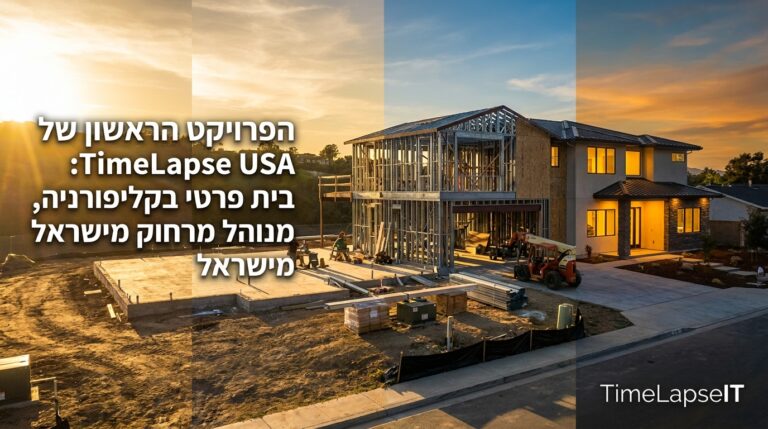
When you watch an accelerated film of a tower rising from the ground, the effect is impressive. Construction time-lapse videos possess a distinct aesthetic quality. They evoke a strong sense of momentum.
Therefore, the real estate industry has embraced this technology. This is especially relevant for developers selling “off-plan” apartments (before construction is complete).
Building Trust with Buyers
By installing time-lapse cameras, a developer allows buyers to follow the project’s progress in real time. This transparency provides peace of mind. Moreover, experience shows that these videos are excellent tools for selling the final units in a project.
Ready to document your next project?
Contact TimelapseIT today for a consultation.
Read also: Creative Solutions for Installing Cameras on Construction Sites