In everyday life, we can’t perceive gradual transformations like a flower blooming or a building rising from the ground. These changes are too slow to notice. We usually only see the final outcome, not the journey itself. Time-lapse fills that gap.
Instead of filming continuously, the technique captures a single frame at set intervals (such as every minute, hour, or day). Stitching all these frames together creates a fast-paced video that showcases the process.
Filming construction using time-lapse is a complex logistical task that’s best handled by professionals. Here’s a
Step-by-step breakdown:
1. Choosing the Equipment
Amateur time-lapse photography is typically done with DSLR or GoPro cameras. This equipment isn’t suitable for long-term construction projects. These projects require specialized cameras designed to handle unique challenges.
At Timelapse it, we use purpose-built cameras that are weather-resistant, solar-powered to ensure continuous operation, and internet-enabled for real-time monitoring. We also deploy custom enclosures for DSLRs and remote transmission systems for off-site supervision.
Camera selection depends on the project’s duration, location, and client needs.
2. Installing the Cameras On-Site
Unlike security cameras, which focus on identifying people, time-lapse cameras are positioned to capture a wide, panoramic view of the entire site. Elevation is often crucial. Common setups include:
- Mounting cameras on the rooftops of nearby buildings
- Installing masts anchored with concrete blocks
- Attaching to cranes on-site
Throughout the project, camera positions may be adjusted as work progresses.
3. Documenting the Process
Construction time-lapse typically captures one frame every 10 minutes. For long and complex projects, it’s better to collect more footage than needed—you can always trim it later.
This isn’t a “set and forget” process. Continuous monitoring is essential to ensure both image quality and system functionality. A big part of our service is giving clients the ability to view progress in real-time.
4. Editing the Footage
Editing is the most crucial part of the process. Unlike standard video editing, time-lapse editing requires advanced techniques, such as:
- Stabilizing footage for smooth playback
- Adjusting colors and lighting for consistency
- Using AI tools to enhance image quality
Editors also need to understand real estate marketing to deliver:
- High-quality promotional videos for branding and advertising
- Monthly progress videos for client updates
👉 Here’s what you get when professionals handle your time-lapse.
What’s the Difference Between Construction Time-Lapse and Standard Time-Lapse?
Time-lapse has been around since the 19th century and has evolved in two main directions: capturing short processes that take minutes to a day and long-term projects like construction, which span months or even years.
The key differences lie in scale and duration. Short time-lapse videos usually involve small subjects (like the flower blooming example above), while construction time-lapse documents vast spaces over extended periods.
These distinctions require a completely different approach. While a hobbyist can learn basic time-lapse techniques on YouTube, capturing a construction project professionally demands experience, equipment, and planning.
For a deeper look into how time-lapse captures the finishing and interior stages of a project, see our real-world example of time-lapse for interior work and finishing stages.
Read also: How to Choose the Right Real Estate Photography Company for Your Project
Why Developers Use Time-Lapse Cameras on Construction Projects
For developers and project managers, time-lapse is more than documentation — it’s a working asset throughout the project and long after it ends:
- A marketing and sales tool — a cinematic film of your project rising is the strongest content a developer can show buyers, investors and future partners.
- Progress monitoring — see the site at any moment, from any device, without driving there.
- Protection in disputes — a continuous visual record of what happened on-site, and when.
- Stakeholder updates — boards, banks and municipalities get a clear picture in seconds.
- A permanent archive — years of work condensed into minutes, ready for any future use.
From Tel Aviv to California — Fully Remote
Our camera systems are autonomous: solar-powered, cellular-connected and managed remotely. That’s how we document projects across Israel — and it’s how we delivered our first project in California without a single site visit. Wherever your site is, we can film it.
Selected Projects
- ICL Amfert, Rotem — 10 months of industrial construction in the Negev desert
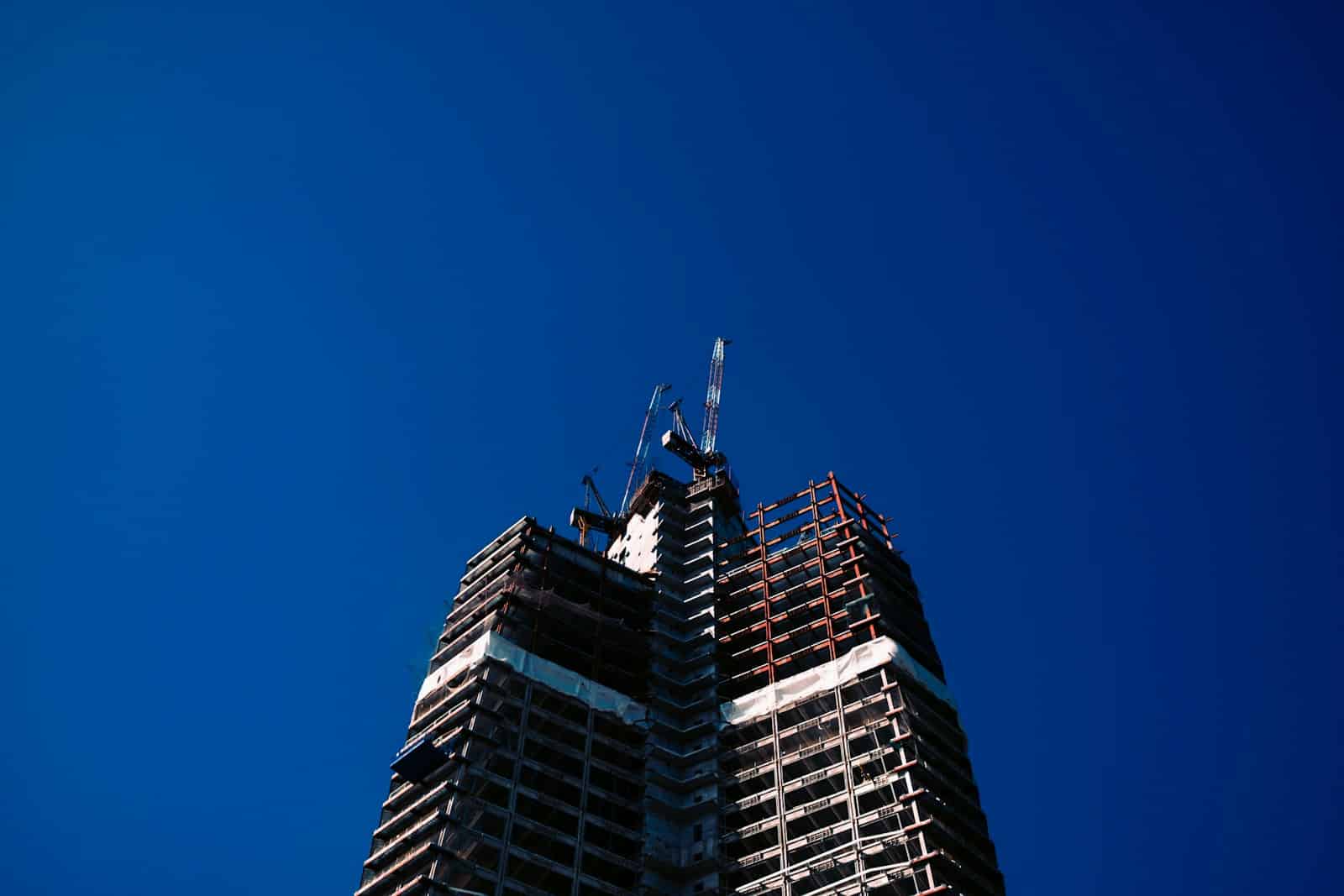
- Kikar Hamedina Towers, Tel Aviv — four years, three 40-story towers
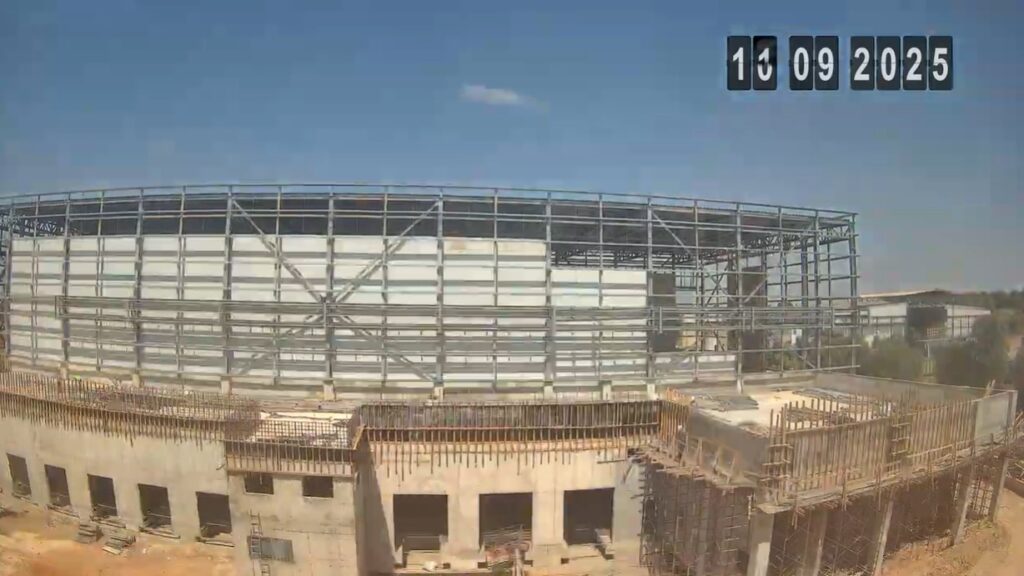
- Medones Data Center Campus, Ramla — a new data center rising
Frequently Asked Questions
Why use time-lapse cameras for construction projects?
Time-lapse cameras turn months of construction into a short, clear film that serves four purposes at once: remote progress monitoring for project managers, transparent reporting to investors and boards, an indisputable visual record for legal and quality-control needs, and a powerful marketing asset when the project is complete. Unlike occasional site photography, an autonomous camera documents every stage — continuously and automatically.
How does time-lapse enhance project documentation?
Every frame is dated and continuous, so the film shows exactly what happened on site and when. Delays, milestones and pace of work become visible at a glance — replacing static reports with evidence you can watch. Teams use it to review scheduling decisions, resolve disputes and present progress to stakeholders who cannot visit the site.
Do construction time-lapse cameras need power or internet on site?
No. Our cameras are solar-powered and fully autonomous, with cellular connectivity built in — ideal for construction sites at their earliest stages, before grid power exists. They shoot in 4K around the clock, in all weather, for anywhere from a few months to several years.
What does the final time-lapse video include?
Professional editing with music, titles and your company logo, delivered in HD/4K formats for your website, presentations and social media — including short 30-second versions for Reels and Stories. Interim monthly updates are available throughout the project.